Can You Get Dental Implants Years After Losing Teeth? Expert Guidance on Long-Term Tooth Replacement
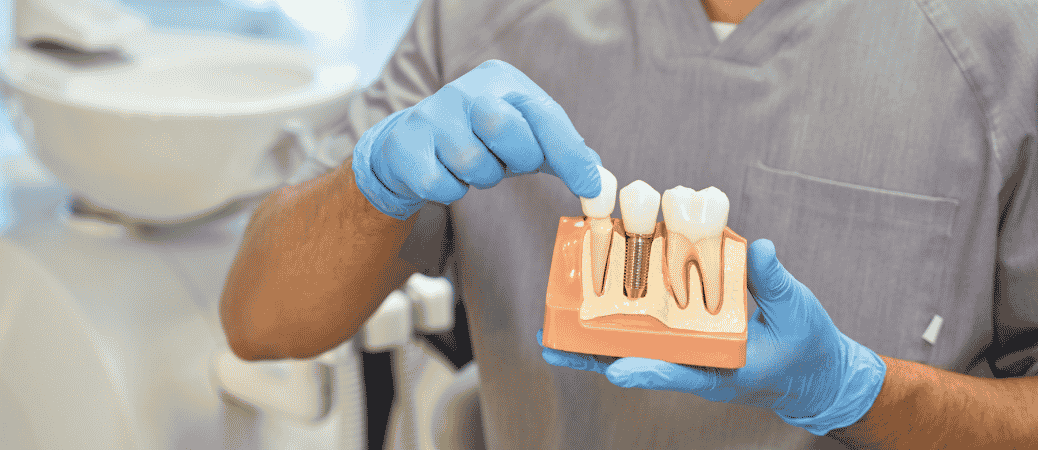
If you lost a tooth years ago and never replaced it, and delayed dental implants, you might wonder if it’s too late to do something about it now.
Maybe you’ve been living with a gap in your smile or dealing with dentures that don’t feel quite right. The good news is that time alone doesn’t mean you can’t get an implant.
You can get dental implants years or even decades after losing a tooth, though you may need additional procedures to prepare your jawbone first.
Your mouth does change over time when a tooth is missing. The bone that once supported your tooth starts to break down without the root there to keep it strong. But modern dental techniques can work around this problem.
The process might take a bit longer than if you had gotten an implant right away. Your dentist will need to check your bone health and overall oral condition to create a treatment plan that fits your situation.
Even if significant bone loss has occurred, procedures like bone grafting can rebuild the support you need for a successful implant.
Key Takeaways
- Dental implants are possible years after tooth loss, but bone grafting may be needed to rebuild lost jawbone
- Your jawbone naturally shrinks without tooth roots, but modern dental technology can restore the foundation needed for implants
- Implants offer better stability and bone preservation compared to dentures and bridges
What Happens to Your Mouth After Years of Tooth Loss?
When you lose a tooth and don’t replace it, your mouth undergoes significant changes that affect your jawbone, gums, and remaining teeth.
These changes can make everyday activities like eating and speaking more difficult over time.
Changes in Jawbone and Bone Resorption
Your jawbone needs regular stimulation from tooth roots to maintain its strength and volume. When you have missing teeth, that stimulation disappears and your body begins breaking down the bone tissue in a process called bone resorption.
Bone loss can begin within the first year after losing a tooth. You might lose up to 25% of your bone width during this initial period. The longer you wait to replace missing teeth, the more your jawbone density decreases.
This bone resorption doesn’t just affect your ability to get dental implants later. It also changes the shape of your face, creating a sunken appearance around your mouth and cheeks.
Your lips may look thinner and you could develop more wrinkles around your mouth area, making you appear older than you are.
Impact on Gum Health and Oral Function
Your gum health suffers when teeth remain missing for extended periods. The gum tissue in the gap can become more vulnerable to infection and disease since there’s no tooth to protect it.
Your remaining teeth start shifting into the empty spaces left by missing teeth. This movement creates bite problems and makes it harder to chew food properly.
You might notice that certain foods become difficult to eat or that you develop jaw pain from an uneven bite.
Speaking clearly also becomes more challenging, especially if you’re missing front teeth. You may develop a lisp or have trouble pronouncing certain words.
These oral function issues can affect your confidence in social and professional situations.
Consequences of Delayed Tooth Replacement
Waiting years to replace a missing tooth creates a domino effect of problems throughout your mouth. The teeth next to the gap tilt inward, while the tooth above or below the space grows longer because it has nothing to chew against.
Common consequences include:
- Increased risk of cavities in shifted teeth
- Higher chance of gum disease
- Difficulty keeping remaining teeth clean
- Additional tooth loss from stress on neighboring teeth
The longer you delay treatment, the more complex and expensive your dental care becomes. You may need bone grafting or other procedures to restore your oral health before implants can be placed.
Eligibility Factors for Dental Implants Years Later
Several key factors determine whether you can receive dental implants after years of tooth loss. Your jawbone density, gum health, overall medical condition, and existing oral structures all play crucial roles in determining your candidacy.
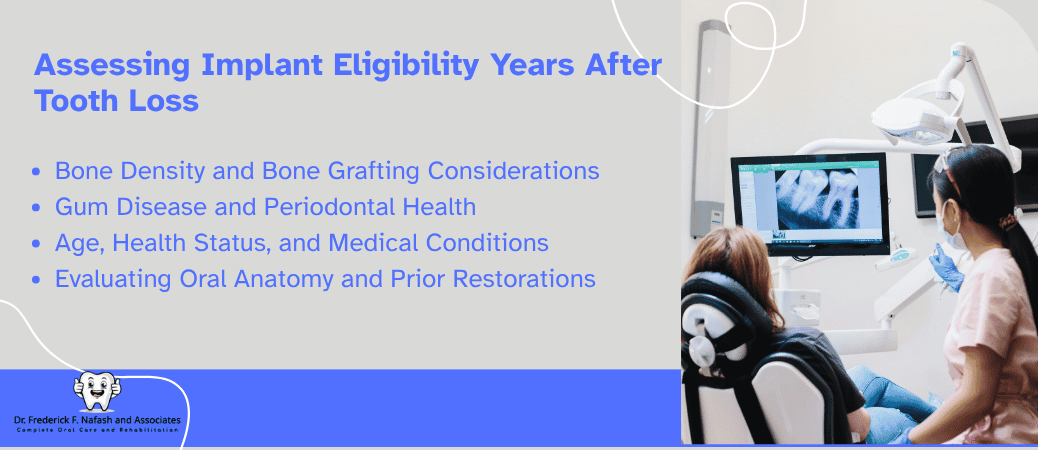
Bone Density and Bone Grafting Considerations
Your jawbone loses density when teeth are missing for extended periods. Without tooth roots to stimulate the bone, your jaw gradually shrinks and weakens.
Dental implants require adequate bone density to support the titanium posts that replace your tooth roots. Most patients who have waited years after tooth extraction experience some level of bone loss.
A bone graft can restore lost jawbone density in many cases. This procedure adds bone material to your jaw, creating a solid foundation for dental implants.
Your oral surgeon will evaluate whether you have enough bone naturally or need bone grafting first.
The amount of bone loss determines your treatment options. Minor bone loss typically requires a simple bone graft.
Severe bone loss might need more extensive grafting procedures or alternative solutions like All-on-4 implants that work with less bone.
Gum Disease and Periodontal Health
Your gum health directly impacts dental implant success. Active gum disease creates infection risks that can cause implant failure.
Periodontal disease weakens the tissues that support teeth and implants. You must have healthy gums or successfully treat existing gum disease before getting implants.
Your periodontist will examine your gums for signs of inflammation, infection, or recession.
Severe gum disease from years of neglect can make implants impossible in rare cases. Weak gum tissue might not support implants properly or could expose the implant posts.
Treatment for periodontal disease typically comes before implant placement. This might include deep cleanings, antibiotics, or gum grafts to rebuild healthy tissue.
Age, Health Status, and Medical Conditions
Your overall health matters more than your age when considering dental implants. Most healthy adults can receive implants regardless of how long they’ve waited.
Certain medical conditions affect implant eligibility:
- Diabetes – Uncontrolled diabetes slows healing and increases infection risk
- Osteoporosis medications – Some bone medications interfere with implant integration
- Autoimmune diseases – These conditions can prevent proper healing
- Heart disease – May require special precautions during surgery
Surgeons typically avoid placing implants in patients over 85 with chronic illnesses. The healing process becomes more difficult at advanced ages with multiple health issues.
Smoking significantly reduces implant success rates. Tobacco restricts blood flow to your jaw and gums, preventing proper healing. Your oral surgeon may require you to quit smoking before approving you for implants.
Evaluating Oral Anatomy and Prior Restorations
Your dental implant specialist must assess your entire mouth structure. Previous dental work, remaining teeth, and bite alignment all influence implant planning.
Existing bridges, dentures, or crowns need evaluation. These restorations affect where implants can be placed and how many you need. Your oral surgeon examines spacing between teeth, sinus position, and nerve locations.
X-rays and 3D scans show your bone structure and help plan precise implant placement. These images reveal potential complications like inadequate bone height or proximity to nerves.
The position of your sinuses matters especially for upper jaw implants, as they may require special techniques.
Options for Restoring Bone and Supporting Implants
Several proven methods can rebuild jawbone density and create a solid foundation for dental implants.
These techniques range from straightforward bone grafting procedures to specialized approaches that bypass areas of significant bone loss entirely.
Bone Grafting for Bone Regeneration
Bone grafting is the most common solution when you need to restore lost jawbone before implant placement. Your dentist takes bone material from another source and places it into the areas where bone loss has occurred.
The graft material can come from your own body, a donor, or synthetic materials made from naturally occurring minerals like hydroxyapatite or calcium carbonate.
The grafted material acts as a scaffold that encourages your body to grow new bone over time. This process of bone regeneration typically takes several months before the area becomes strong enough to support an implant.
About 25% of bone loss happens within the first three months of losing a tooth, which makes bone grafting necessary for many patients who have waited years to replace missing teeth.
Common types of bone graft materials:
- Autograft: Bone taken from your own body
- Allograft: Donor bone from another person
- Xenograft: Bone from an animal source
- Alloplast: Synthetic bone substitute materials
Sinus Lift and Zygomatic Implants
A sinus lift procedure addresses bone loss in your upper jaw by lifting the sinus membrane upward to create space for new bone material.
This technique specifically helps when you need implants in the upper back teeth area where the sinuses sit close to the jawbone.
The lifted membrane allows your dentist to add bone graft material underneath, which then integrates with your existing bone.
Zygomatic implants offer an alternative that skips bone grafting entirely. These longer implants anchor into your cheekbone instead of your jawbone.
Your cheekbone remains dense even when jawbone deteriorates, making this option ideal for severe bone loss cases.
The procedure only works for upper jaw replacements, but it eliminates the months-long waiting period required for bone grafts to heal.
Guided Bone Regeneration Techniques
Guided bone regeneration uses special barrier membranes to direct new bone growth in specific areas.
Your dentist places these membranes over the bone graft site to protect it and keep soft tissue from growing into the space where bone should form.
The membrane creates an environment that lets bone cells multiply while blocking faster-growing tissue types.
This technique often combines with ridge expansion, which addresses jawbone width rather than just density. Your dentist creates a controlled split in the narrow jawbone and gradually widens it using the bone graft material.
The guided regeneration membrane holds everything in place as your body builds new bone to fill the expanded space.
Some patients can have implants placed during the same appointment as the bone regeneration procedure, though others need to wait three to six months for complete healing.
The Dental Implant Procedure After Long-Term Tooth Loss
Getting dental implants after years of tooth loss involves several steps that work together to create a stable foundation for your new teeth.
The process includes detailed planning, surgical placement of the implant post, and a careful healing period that allows the implant to bond with your jawbone.
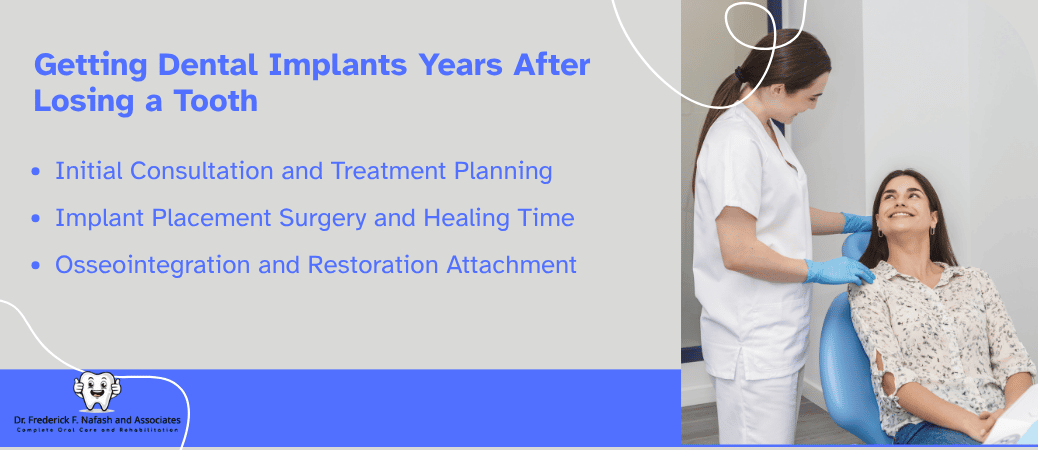
Initial Consultation and Treatment Planning
Your journey begins with a thorough consultation where your dentist examines your mouth and takes x-rays to assess your jawbone health.
These images show whether you have enough bone density to support implants or if you need additional procedures first.
During treatment planning, your dentist creates a customized roadmap for your dental implant procedure.
They’ll measure the exact location where your implant post needs to go and determine the best approach for getting dental implants after long-term tooth loss.
If you’ve experienced bone loss from missing teeth for many years, your dentist might recommend a bone graft before moving forward.
Your dentist will also review your medical history and discuss any health conditions that could affect healing. This step ensures you’re a good candidate for dental implant surgery and helps prevent complications down the road.
Implant Placement Surgery and Healing Time
Implant placement surgery involves inserting a titanium post into your jawbone where your natural tooth root once was. Your dentist numbs the area with local anesthesia to keep you comfortable during the procedure.
The surgery typically takes one to two hours per implant. Your dentist makes a small opening in your gum tissue, drills a precise hole into the jawbone, and carefully places the implant post. They then close the gum tissue over or around the implant.
After implant placement, you’ll need time to heal. Initial healing of the gum tissue takes about two weeks, but the complete process takes much longer.
You might experience some swelling and mild discomfort during the first few days, which you can manage with pain medication and ice packs.
Osseointegration and Restoration Attachment
Osseointegration is the process where your jawbone grows around and fuses with the titanium implant post. This biological bonding creates the strong foundation that makes implants so stable and long-lasting.
The osseointegration period usually takes three to six months for your lower jaw and four to seven months for your upper jaw.
During this time, you’ll avoid putting pressure on the healing implant and follow your dentist’s care instructions carefully.
Once osseointegration is complete, your dentist attaches a small connector piece called an abutment to the implant post.
After your gums heal around the abutment for a few weeks, your dentist takes impressions to create your custom crown.
The final restoration is then attached to complete your dental implant years after tooth loss, giving you a tooth that looks and functions like your natural teeth.
Comparing Dental Implants With Other Tooth Replacement Options
When you’re choosing how to replace missing teeth, you’ll find several options available. Each tooth replacement method has different costs, care needs, and how long it will last.
Traditional Dentures Versus Implant-Supported Solutions
Traditional dentures sit on top of your gums and can be removed whenever you want. They’re held in place by suction or adhesive. You can take them out to clean them at night.
An implant-supported bridge works differently. It attaches to titanium posts that are placed in your jawbone. These posts act like tooth roots and hold your replacement teeth firmly in place.
Regular dentures can slip when you talk or eat. This can make you feel uncomfortable or embarrassed. Implant-supported solutions feel more like your natural teeth and don’t move around.
Traditional dentures need to be replaced every 5 to 8 years. The bone in your jaw shrinks over time when you wear regular dentures.
This changes how your denture fits. Implant-supported options last much longer because they help keep your jawbone healthy.
Partial Denture and Dental Bridges
A partial denture replaces some of your missing teeth. It clips onto your remaining natural teeth with metal clasps. You can remove it for cleaning.
A dental bridge fills gaps by attaching fake teeth to the natural teeth on either side. Your dentist reshapes the teeth next to the gap to place crowns on them. The replacement tooth sits between these crowns.
Both partial dentures and dental bridges rely on your other teeth for support. This can put extra stress on those teeth over time.
Dental bridges require you to grind down healthy teeth, which removes part of your natural tooth structure forever.
These options don’t replace the tooth root. Without roots, your jawbone can slowly shrink away. This can change the shape of your face as you get older.
Benefits of Dental Implants Over Alternatives
Dental implants offer several advantages over dentures and bridges. They replace both the tooth root and the visible part of your tooth. This stops bone loss in your jaw.
Key benefits of dental implants include:
- Durability – They can last 25 years or longer with proper care
- Bone preservation – They prevent jawbone shrinkage
- No damage to other teeth – They don’t require grinding down healthy teeth
- Better chewing – You can eat all types of food without worry
- Natural appearance – They look and feel like real teeth
- Easy maintenance – You brush and floss them like normal teeth
Implants cost more upfront than dentures or bridges. But they last longer, so you save money over time. You won’t need to replace them every few years like you would with dentures.
Risks, Limitations, and Oral Hygiene for Lasting Results
While dental implants have high success rates, they come with potential risks and require excellent care to stay healthy for decades. Understanding these factors helps you make informed decisions and protect your investment.
Potential Complications and Implant Failure
Dental implants demonstrate success rates of 95-97%, but complications can happen. The most common issue is peri-implantitis, which affects 10-20% of long-term cases. This condition involves inflammation and infection around the implant site.
Osseointegration failure occurs in 1-2% of cases when the implant doesn’t properly fuse with your jawbone. Other risks include nerve damage, sinus problems, and damage to nearby teeth.
Dental implants can fail years after placement due to bone loss, infection, or gum disease around the implant.
Lifestyle factors like smoking, poor oral hygiene, and certain health conditions like uncontrolled diabetes increase your risk. Early detection of problems gives you the best chance of saving your implant.
Oral Hygiene and Long-Term Maintenance
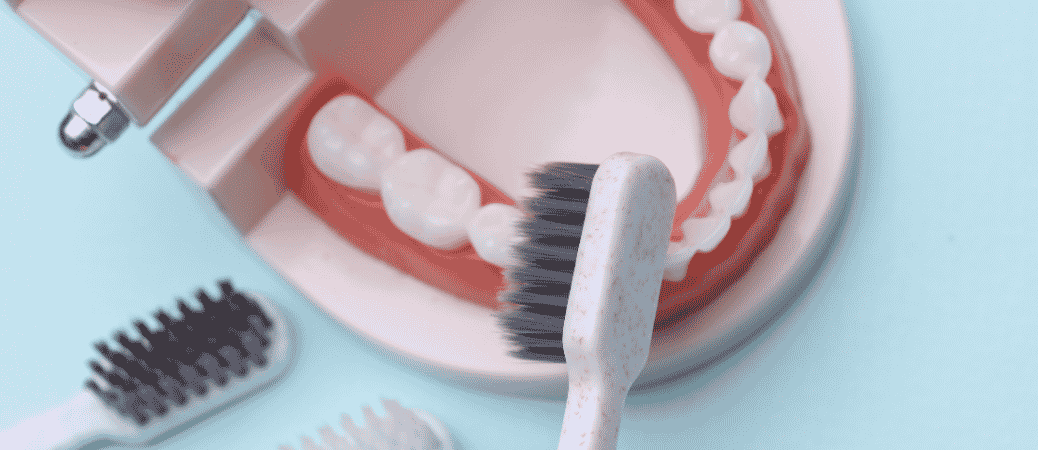
Your daily care routine directly impacts how long your implants last. Brush twice daily and floss around your implants just like natural teeth. Use a soft-bristled brush to avoid damaging the gum tissue.
Regular professional cleanings reduce infection risks, even decades after placement. Visit your dentist every six months for checkups and cleanings. Your dentist can spot early warning signs of problems before they become serious.
Pay special attention to the gum line where bacteria accumulate. Consider using an antimicrobial mouthwash to reduce harmful bacteria. Water flossers work well for cleaning hard-to-reach areas around implants.
When Dental Implants May Not Be an Option
Some situations make implants difficult or impossible. Severe bone loss from years of missing teeth may require extensive bone grafting first. If your jawbone lacks sufficient height or width, grafting might not provide enough support.
Active gum disease must be treated completely before implant placement. Uncontrolled diabetes, heavy smoking, or certain medications that affect bone healing can disqualify you as a candidate.
Radiation therapy to your head or neck area can damage bone tissue and reduce success rates. Some autoimmune conditions that affect healing also create challenges.
Your dentist will evaluate your specific situation to determine if implants are right for you or if alternative treatments make more sense.
Frequently Asked Questions
Most people can get dental implants even after waiting many years, though bone loss and overall health play important roles in determining eligibility.
The cost varies widely based on how many teeth need replacement and whether you need extra procedures like bone grafting.
Is there ever a point when it’s too late to get dental implants?
It’s generally never too late to get dental implants, even if you lost your teeth decades ago. The main factor isn’t how long you’ve been without teeth but rather the current condition of your jawbone and overall health.
Your dentist will evaluate your bone density and gum health to see if you’re a good candidate. If you’ve lost significant bone over the years, you might need bone grafting first to rebuild the foundation for implants.
Age alone doesn’t disqualify you from getting implants. Many older adults successfully receive dental implants as long as they’re healthy enough for surgery and their mouth can support the procedure.
Can I still get a dental implant if my tooth was removed 10 or 20 years ago?
Yes, you can get a dental implant years after losing a tooth, whether it’s been 10 or 20 years. The length of time doesn’t automatically prevent you from getting implants.
Your jawbone does change after losing a tooth. You might lose about 25% of your bone width in just the first year alone, and this bone loss continues over time.
Modern dental technology and bone grafting techniques make it possible to restore lost bone structure. Your dentist will take 3D scans to measure your current bone density and create a treatment plan that works for your specific situation.
How long should I wait after a tooth extraction before getting an implant?
Most dentists recommend waiting 3 to 6 months after a tooth extraction before placing an implant. This gives your jawbone and gums time to heal completely.
In some cases, your dentist might place an implant immediately after removing a tooth. This approach works best when you have healthy bone and no infection at the extraction site.
Waiting too long can lead to bone loss that makes implant placement more difficult. If you know you want an implant, talk to your dentist about the best timeline for your situation.
What could prevent someone from being a good candidate for dental implants?
Several health conditions and lifestyle factors can affect your ability to get dental implants. Uncontrolled diabetes can slow healing and reduce the success rate of implants.
Smoking significantly increases the risk of implant failure. It reduces blood flow to your gums and interferes with the bone fusion process that keeps implants stable.
Severe gum disease needs treatment before you can get implants. Active infections in your mouth can cause implants to fail or not integrate properly with your jawbone.
Taking certain medications like bisphosphonates for osteoporosis can complicate implant surgery. You’ll need to discuss all your medications with your dentist during the evaluation.
How much do dental implants usually cost, and what affects the price?
Dental implant costs vary widely depending on how many teeth you’re replacing and what extra procedures you need. A single implant typically costs between $3,000 and $6,000 including the post, abutment, and crown.
Multiple implants or full arch replacements cost more but can be more affordable per tooth. If you need bone grafting, sinus lifts, or other preparatory work, expect additional costs ranging from $500 to $3,000 per procedure.
Your location and the dentist’s experience level also affect pricing. Dental insurance rarely covers the full cost of implants, though some plans may cover part of the crown or other components.
How long do dental implants typically last, and what happens to them after decades?
Dental implants can last 25 years or even a lifetime with proper care. The titanium post that goes into your jawbone is extremely durable and rarely needs replacement.
The crown attached to the implant may need replacement after 10 to 15 years due to normal wear. This is much less invasive than replacing the entire implant since the post remains in place.
Your implants will last longer if you maintain excellent oral hygiene. Brush twice daily, floss carefully around implants, and visit your dentist regularly for checkups and cleanings.
Bone loss around implants can occur if you develop infections or don’t keep your mouth clean. Taking care of your implants the same way you would natural teeth helps ensure they remain stable for decades.