Early Signs of Dental Implant Failure: Symptoms, Risk Factors, and Prevention
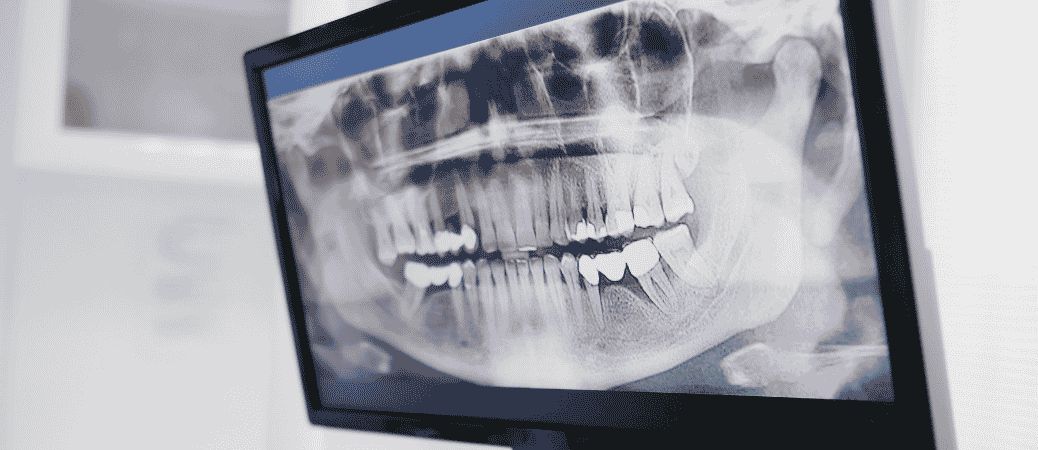
You expect your dental implants to last for years. Most do, since implant success rates stay high when placed and cared for the right way. Still, problems can start small and feel easy to ignore.
Early signs of dental implant failure often include ongoing pain, swelling, bleeding gums, or a loose implant, and you should not ignore these changes.
You may also notice trouble chewing, pressure when you bite, or gum recession around the implant. These signs of dental implant failure can appear weeks or even months after placement.
When you spot changes early, you give your dentist a better chance to fix the issue and protect your dental implant success rate. Knowing what to watch for helps you act before minor issues turn into implant failure.
Key Takeaways
- Pay attention to pain, swelling, bleeding, or movement around your implant.
- Changes in how your implant feels or functions can signal a problem.
- Early care and regular checkups help lower your risk of implant failure.
Recognizing Persistent Symptoms After Implant Placement
After implant surgery, mild pain and swelling are normal for a short time. When symptoms last longer than expected or get worse, they can signal early warning signs of implant failure.
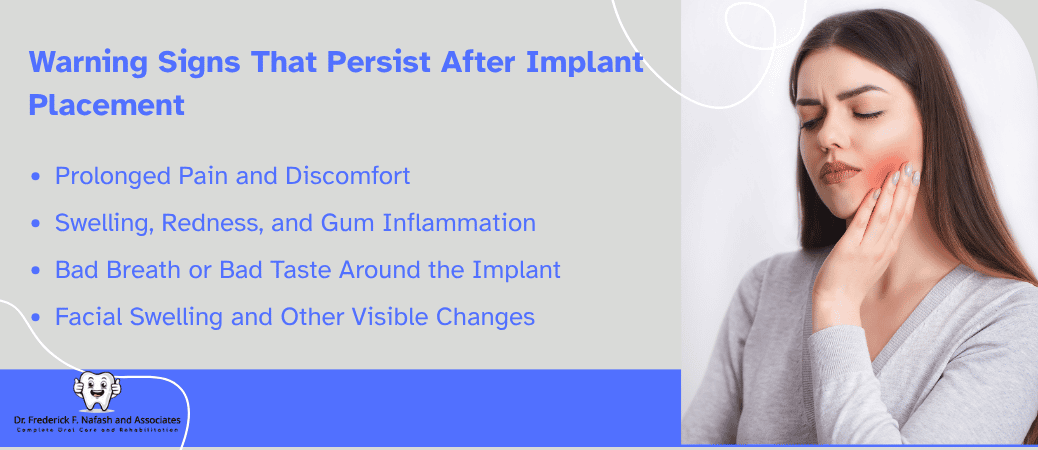
Prolonged Pain and Discomfort
You should expect some soreness for a few days after surgery. That discomfort should slowly improve.
Persistent pain that lasts several weeks or increases instead of fading is not normal. Sharp pain when you bite down or chew can point to implant infection, poor healing, or too much pressure on the implant.
Ongoing pain after the healing phase often signals trouble. You should not ignore throbbing pain, pain that wakes you at night, or tenderness that spreads to nearby teeth.
Pain linked to peri-implantitis or other peri-implant diseases may also come with bleeding gums or pus. When bone around the implant starts to break down, your body reacts with inflammation and discomfort.
If your pain feels different from normal post-surgery soreness, call your dentist. Early treatment can prevent more serious damage.
Swelling, Redness, and Gum Inflammation
Some swelling right after surgery is expected. It should go down within a week or two.
If you notice swelling, redness, or gum inflammation that stays or returns later, you may have peri-implant mucositis. This early form of peri-implant disease affects the soft tissue around the implant.
Warning signs include:
- Gums that bleed when you brush
- Puffy or bright red tissue
- Tenderness around the implant
- A gum line that looks different than before
Redness, swelling, and bleeding can point to peri-implant mucositis or peri-implantitis.
Peri-implant mucositis can often be reversed with professional cleaning and better home care. If you ignore it, it can progress to peri-implantitis, which involves bone loss. That stage is harder to treat and may lead to implant failure.
Bad Breath or Bad Taste Around the Implant
You should not notice a constant bad smell or taste coming from your implant area.
Bad breath that does not improve with brushing and flossing may signal bacteria trapped around the implant. A persistent bad or metallic taste can mean infection or pus under the gum tissue.
These symptoms often appear with peri-implantitis. Bacteria collect in pockets around the implant and irritate the surrounding bone and gums. As infection spreads, you may also see slight swelling or bleeding.
Pay attention if:
- Your breath smells foul even after cleaning
- You taste something unpleasant near the implant
- The gum around the implant feels sore or looks darker
These are subtle but important signs of implant failure. Quick treatment can stop the infection before it damages more bone.
Facial Swelling and Other Visible Changes
Visible changes in your face or jaw deserve attention.
Facial swelling that appears days or weeks after surgery can signal a deeper implant infection. Swelling that spreads to your cheek, jaw, or under your eye requires prompt care.
You may also notice:
- The implant feels loose
- The crown shifts when you chew
- Your bite feels uneven
- The gum around the implant pulls back
A stable implant should not move. Movement often means the implant did not bond properly with your bone or that bone loss has occurred.
When you see visible changes, act quickly. Early action improves the chance of saving your implant.
Detecting Implant Instability and Function Changes
A stable implant should feel firm, balanced, and natural when you chew. If you notice movement, pressure, or changes in how your teeth meet, your implant stability may be at risk.
Loose or Wobbly Implant
A dental implant should not move at all. If your implant feels loose or like it shifts when you press it with your tongue, that is not normal.
You might notice slight movement when you chew or brush. Even a small amount of implant mobility can point to bone loss, infection, or a problem with how the implant bonded to the bone.
Pay attention to signs such as:
- A clicking feeling
- A wobbly implant when chewing
- Tender gums around the implant
- A crown that feels unstable
Sometimes the crown is loose, not the implant itself. Your dentist can check this with an exam and X-rays.
If you ignore a loose implant, the surrounding bone can weaken further. Early care may prevent more serious implant complications and possible removal.
Difficulty Chewing or Biting
You should be able to chew without pain or strain. If you develop new difficulty chewing, something has changed.
Pain when biting down may mean the implant is under stress. This can happen if the implant does not sit evenly or if inflammation affects the bone around it.
You may notice:
- Sharp pain when you bite on one side
- Pressure that lingers after eating
- Avoiding certain foods
Teeth grinding, also called bruxism, can also stress your implant. Grinding places heavy force on the implant and may lead to implant mobility over time.
If you grind your teeth at night, your dentist may suggest a night guard. This custom device reduces pressure and protects both your implant and natural teeth.
Ongoing chewing problems should not be ignored. Changes in comfort while biting often show up before more severe damage occurs.
Changes in Bite or Implant Mobility
Your bite should feel even when you close your mouth. If your teeth no longer meet the same way, your implant may be shifting.
You might feel that one side touches first. Or you may sense that the implant moves slightly under pressure.
These changes can mean:
- Bone support is decreasing
- The implant is not fully stable
- Swelling is affecting how your teeth align
Even mild implant mobility can change your bite pattern. Over time, this can strain your jaw and nearby teeth.
Some patients describe a dull ache or a feeling that the implant “gives” slightly when chewing. That is a warning sign.
If your bite suddenly feels different, schedule an exam. A small correction early on is easier than treating advanced implant complications.
Implant Feels Too High or Misaligned
An implant should blend in with your natural teeth. If it feels too high, bulky, or out of place, something may be off.
You may notice:
- The implant hits first when you close your mouth
- Jaw soreness after meals
- A sense that the crown sits at an odd angle
When an implant feels too high, it absorbs more chewing force than it should. This extra pressure can weaken the bone and affect implant stability.
Grinding or clenching makes this worse. If you have bruxism, a night guard can reduce excess force and protect the implant.
Do not assume the feeling will go away on its own. A simple adjustment to the crown or bite can often fix the issue before it turns into a loose implant or long-term mobility problem.
Gum and Bone Changes to Watch For
Changes in your gums and jawbone often give the first clear warning that something is wrong. You can see some signs in the mirror, while others only show up on dental x-rays.
Gum Recession and Exposed Threads
Gum recession around an implant is not normal. If your gums start to pull back, you may notice more of the metal post or threads showing near the gumline.
Receding gums can make the area look longer or uneven compared to your other teeth. You might also feel more sensitivity when brushing or eating hot and cold foods.
This change often links to inflammation or infection around the implant. Bacteria can damage the soft tissue and slowly reduce support around the implant.
Watch for:
- A longer-looking crown
- A thin or shrinking gumline
- Visible gray metal near the edge of the gum
If you ignore gum recession, it can lead to deeper bone loss. Early treatment may include deep cleaning or gum therapy to stop further damage.
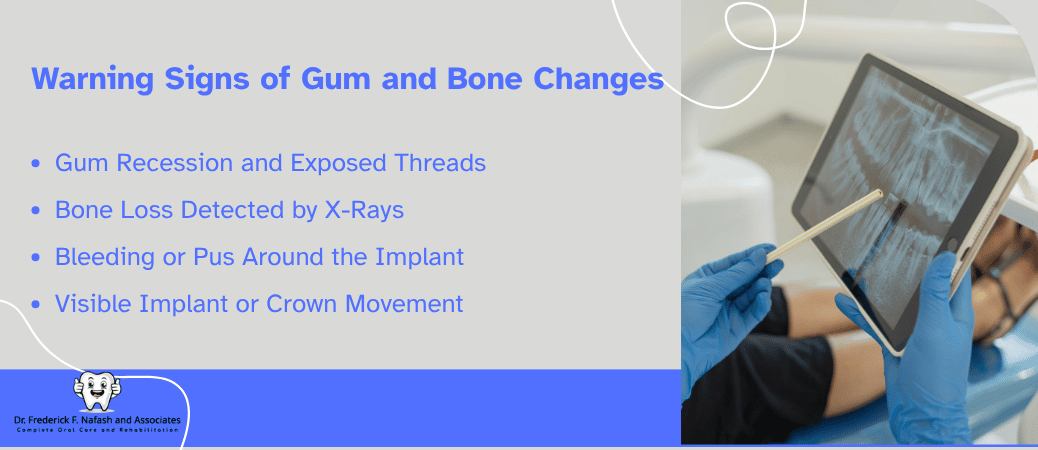
Bone Loss Detected by X-Rays
You cannot see bone loss with your eyes. Your dentist finds it through routine x-rays that show changes around the implant.
Healthy implants sit in solid bone with tight contact around the post. When bone loss begins, x-rays may show dark spaces or lower bone levels near the implant threads.
This problem often connects to infection, poor oral hygiene, smoking speeds dental implants failure according to a research covered by The Oral Health, or heavy bite pressure. Over time, bone loss weakens the implant’s support and raises the risk of implant replacement.
If the damage is mild, your dentist may treat the infection and monitor healing. In more advanced cases, bone grafting may help rebuild lost bone before placing a new implant.
Regular checkups matter because bone changes can progress without pain.
Bleeding or Pus Around the Implant
Bleeding when you brush around your implant is not something to ignore. Healthy gums should not bleed with gentle cleaning.
Persistent bleeding may signal inflammation or a condition called peri-implantitis. This infection affects the gum and bone around the implant and can lead to bone loss if untreated.
You may also notice:
- Swelling or redness
- A bad taste in your mouth
- Pus or discharge near the implant
These signs mean bacteria have built up below the gumline. Prompt treatment may include professional cleaning, antibiotics, or minor surgery to clean the area.
If you delay care, the infection can destroy bone support and make implant replacement more likely.
Visible Implant or Crown Movement
An implant should feel as stable as a natural tooth. If you sense movement when chewing or touching it, take that seriously.
Sometimes the crown can damage or feels loose while the implant post remains stable. In other cases, the entire implant shifts because bone loss has reduced its support.
You may notice:
- Clicking when you bite
- Pressure pain during chewing
- A change in how your teeth fit together
Movement often means the implant has lost proper integration with the bone. Your dentist will use an exam and x-rays to find the cause.
If caught early, tightening or adjusting the crown may fix the issue. If the implant itself is loose, removal and implant replacement may become necessary.
Common Causes and Risk Factors for Implant Failure
Dental implants can fail for clear biological or mechanical reasons. Most problems link back to poor healing, infection, health conditions, or excess stress on the implant.
Failed Osseointegration
Osseointegration is the process where your jawbone grows around the implant and locks it in place. When this bond does not form, you have failed osseointegration, which often leads to early implant failure.
You may notice movement, pain when chewing, or pressure around the implant. These signs often appear within the first few months after surgery.
Several factors raise your risk:
- Poor bone quality or low bone density
- Smoking
- Uncontrolled diabetes
- Certain medications, including bisphosphonates
- Infection during healing
If your bone cannot attach firmly to the implant surface, the implant cannot support normal chewing forces. In many cases, your dentist must remove it and allow the area to heal before trying again.
Peri-Implantitis and Infections
Infection is a major reason for both early implant failure and late implant failure. The most serious form is peri-implantitis, which damages the gum and bone around the implant.
You may see:
- Red or swollen gums
- Bleeding when brushing
- Pus or bad taste
- Bone loss on X-rays
When bacteria collect around the implant, they destroy the supporting bone. Over time, the implant can loosen.
You lower your risk by keeping plaque under control and seeing your dentist for regular cleanings. Early treatment can sometimes stop bone loss before the implant becomes unstable.
Poor Oral Hygiene and Health Conditions
Poor oral hygiene plays a direct role in implant failure. If you do not remove plaque daily, bacteria build up around the implant and irritate the gums.
This irritation can turn into infection and bone loss. Over time, the implant may loosen.
Certain medical conditions also affect healing and long-term success:
| Health Factor | How It Affects Implants |
| Uncontrolled diabetes | Slows healing and raises infection risk |
| Smoking | Reduces blood flow to gums |
| Autoimmune disorders | Can delay tissue repair |
| Bisphosphonates | May affect bone turnover |
Implants have high success rates, often above 95 percent, but complications still occur.
If you manage medical issues well and brush and floss daily, you greatly reduce your risk.
Improper Placement and Mechanical Stress
Improper implant placement can cause serious problems. If the implant sits at the wrong angle or in weak bone, it may not handle chewing pressure.
This can lead to:
- Micro-movement during healing
- Bone loss
- Cracks in the crown or implant parts
- Late implant failure
Poor planning, limited bone volume, or incorrect bite alignment can all increase stress on the implant. Studies that examine risk factors for early implant failures highlight how surgical and patient factors both matter.
You also increase mechanical stress if you grind your teeth or bite very hard foods. Over time, repeated force can weaken the bone around the implant.
Careful planning, proper imaging, and balanced bite design help protect your implant from overload and long-term damage.
Prevention, Maintenance, and Treatment Options
You can lower your risk of implant problems with steady home care and regular dental visits. Quick action also gives you more treatment choices if trouble starts.
Daily Implant Care and Professional Checkups
You play the biggest role in preventing implant failure. Brush twice a day with a soft-bristled toothbrush and non-abrasive toothpaste. This protects the implant surface and the gum tissue around it.
Clean between teeth and around the implant every day. Use implant-specific floss or a water flosser to remove plaque below the gumline. Plaque buildup can lead to peri-implant mucositis, which can progress if you ignore it.
Schedule professional cleanings and dental checkups at least twice a year, or more often if your dentist recommends it. Patients who skip maintenance visits have a much higher risk of peri-implantitis.
Keep all follow-up appointments, especially in the first few months after surgery. Early exams help your dentist spot swelling, bone loss, or movement before the implant fails.
Products for Implant Hygiene
Not all dental tools are safe for implants. You should choose products made for implant care to avoid scratching the surface.
A soft-bristled toothbrush is the safest option for daily brushing. Electric brushes with gentle settings can also help remove plaque without harming the gumline.
Use implant-specific floss that slides easily around the implant post. A water flosser can flush out debris under bridges or implant crowns. This works well if you have limited hand control.
Your dental team may also use air polishing or special tools during cleanings. Proper supportive care lowers your risk of inflammation.
Avoid metal picks or hard bristles at home. They can damage the implant surface and make plaque stick more easily.
Managing Oral Risks and Complications
You need to control risk factors that raise the chance of implant failure. Smoking, uncontrolled diabetes, and poor oral hygiene all increase inflammation and slow healing.
Watch for early signs like bleeding gums, swelling, bad taste, or a loose feeling. Early detection improves outcomes.
If your dentist finds infection around the implant, they may recommend deep cleaning and antibiotic therapy. Treating peri-implant mucositis early can stop it from turning into peri-implantitis.
In some cases, your provider may suggest procedures to clean infected threads or support tissue regeneration. Acting early often means simpler treatment and better long-term stability.
Treatment Strategies If Failure Occurs
Even with good care, implants can fail. Studies estimate that about 15% may fail within 10 years.
If the implant feels loose or shows bone loss, your dentist will take X-rays and check the surrounding tissue. Minor infections may respond to cleaning and antibiotics.
If the implant does not integrate with the bone or becomes severely infected, implant removal may be necessary. After healing, you may consider implant replacement if bone support remains strong.
If replacement is not a good option, your dentist may suggest dental bridges or other restorations. The right choice depends on your bone health, gum condition, and overall medical status.
Frequently Asked Questions
You may notice small changes like mild pain, gum redness, or slight movement before a dental implant fully fails. Paying attention to these early signs can help you protect your bone and gum health.
What are the first warning signs that a dental implant might not be healing properly?
You may feel pain that does not improve after the first few weeks. Normal soreness should fade, not get worse.
You might also see swelling, redness, or bleeding around the implant. Some patients notice a bad taste or mild discharge. These signs often show up before the implant becomes loose.
Is it normal to feel pain around a dental implant weeks or months after placement?
Mild soreness right after surgery is normal. Pain that lasts for weeks or starts months later is not typical.
Ongoing pain can mean infection, pressure from your bite, or poor healing. Pain with chewing or pressure should not be ignored.
Call your dentist if the discomfort does not improve or gets stronger.
How can I tell if my dental implant is loose or moving, and what should I do next?
A healthy implant should feel solid, like a natural tooth. It should not move when you press it with your tongue or finger.
If you feel shifting while chewing, the implant may have lost bone support.
Do not try to tighten anything yourself. Schedule a dental visit as soon as possible.
What does swelling or redness around a dental implant mean, and when is it urgent?
Redness and swelling can mean gum inflammation or infection. If the area feels warm or painful, the problem may be spreading.
Swelling that lasts more than a few days or comes back after healing needs attention.
Seek urgent care if you notice facial swelling, fever, or severe pain.
Why might there be bleeding, pus, or a bad taste near a dental implant site?
Bleeding during brushing may signal gum inflammation. Pus or a bad taste often means infection around the implant.
Bacteria can collect around the implant and damage the surrounding bone. This condition, often called peri-implantitis, can lead to implant loss if not treated.
Contact your dentist quickly if you see discharge or smell a foul odor from the area.
Can gum recession or changes in my bite indicate something is wrong with my implant?
Yes, they can. If your gums pull back and expose more of the implant, you may have bone loss.
Changes in your bite, such as feeling that your teeth no longer fit together the same way, can mean the implant is under stress.
Tell your dentist about any shift in how your teeth meet when you chew. Early treatment can often prevent more serious damage.